






Business
How is the Middle East crisis changing business course in New Zealand?






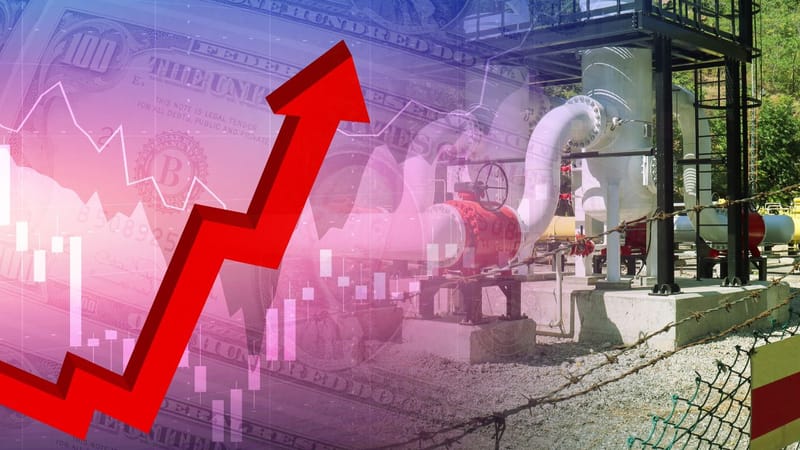
Middle East tensions are hitting business confidence in New Zealand, triggering job cuts and cautious spending.
Businesses in New Zealand are starting to feel the pressure as confidence drops sharply, with some employers already cutting staff and others preparing to follow. This shift comes as uncertainty grows following the ongoing crisis in the Middle East.
According to the New Zealand Institute of Economic Research (NZIER), about 9% of companies reduced their workforce in the March quarter. On top of that, another 5% said they are planning similar cuts in the coming quarter.
The survey, which gathered responses from thousands of employers, was conducted shortly after tensions in the Middle East escalated. This situation pushed up fuel prices and disrupted shipping through the Strait of Hormuz, factors that are now weighing heavily on business sentiment.
Confidence among businesses has dropped dramatically. The report shows that only a net one percent of firms expect economic conditions to improve in the near future. That is a steep fall compared to the December quarter, when a net 39% of businesses were optimistic about the outlook.
Some sectors are feeling more bleak than others. In construction, for example, a net 28% of firms expect conditions to worsen in the months ahead. Architects are also bracing for a slowdown, anticipating fewer projects in both government and commercial construction over the next 12 to 24 months.
Not all sectors are downbeat, though. Manufacturing and retail businesses have managed to stay relatively positive despite the global pressures.
“This optimism appears to have been supported in particular by stronger export demand in the March quarter, despite manufacturers reporting an easing in both cost and pricing pressures over the quarter, manufacturing sector profitability deteriorated,” the report read.
At the same time, many companies are becoming more cautious with their spending. Around 12% of respondents said they plan to cut back on building investments over the next year, while 9% intend to reduce spending on plant and machinery.
“The recent developments with the Strait of Hormuz shipping restrictions and fuel price surge have increased caution amongst firms, as reflected in firms' hiring and investment intentions," the report read. "We expect the upcoming General Elections in November to add another layer of uncertainty.”
Author
Loading...
Loading...