






Talent Management
Australia’s October jobs rebound eases labour market jitters, raises questions on further RBA cuts





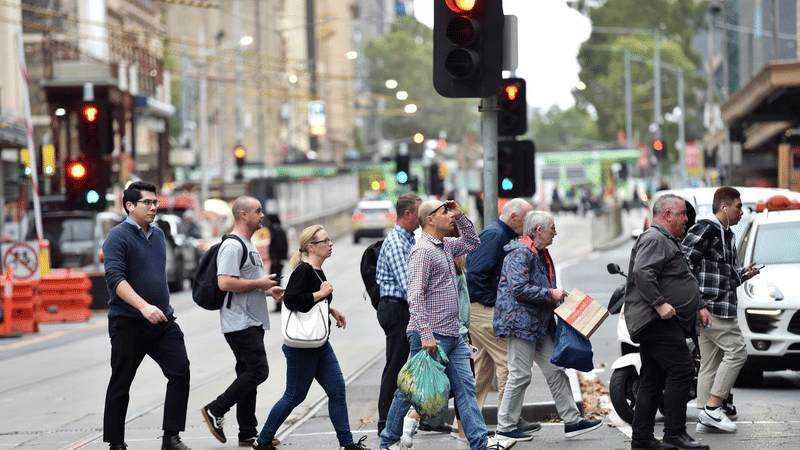
A strong lift in full-time hiring has pushed unemployment lower, surprising economists and reshaping expectations for interest-rate decisions in early 2025.
Australia’s labour market staged an unexpected rebound in October, offering a dose of optimism after several months of tightening conditions. Figures released by the Australian Bureau of Statistics show the economy added 42,200 jobs in October, comfortably beating market expectations. What stood out in the report was the strength of full-time hiring, with employers creating more than 55,000 permanent positions, signalling that businesses are still willing to commit to longer-term roles despite the broader slowdown.
Australia’s unemployment rate dipped to 4.3%, unwinding the increase seen over the past few months and returning to levels last recorded in late 2021. The share of people either working or looking for work held at 67%, and total hours worked nudged up by 0.5%. Taken together, the numbers point to a labour market that, while softer than last year, is holding up better than many expected.
The stronger print caught financial markets off guard. The Australian dollar firmed slightly and bond yields dipped as traders pared back expectations of another rate cut from the Reserve Bank of Australia. Before the figures were released, markets were pricing in a strong chance of a May 2025 cut. That probability has now dropped sharply, with investors reassessing how quickly the RBA can ease policy without risking renewed inflation.
Economists say the data presents a mixed picture. While the lift in hiring is a welcome sign for households and businesses, it also means wage and price pressures could linger. Oxford Economics Australia’s Harry Murphy Cruise noted that a firmer labour market “could keep inflation stickier for longer,” particularly as the RBA has already trimmed rates three times this year.
Several indicators point to a cautiously improving sentiment among employers. Business confidence has nudged upward, and consumer sentiment has shown its first meaningful improvement in almost four years. Even so, analysts now believe the central bank will need to tread carefully. As EY’s Cherelle Murphy put it, the RBA “may not have much room left to ease without risking another flare-up in prices.”
Australia’s unemployment rate dipped to 4.3%, unwinding the increase seen over the past few months and returning to levels last recorded in late 2021. The share of people either working or looking for work held at 67%, and total hours worked nudged up by 0.5%. Taken together, the numbers point to a labour market that, while softer than last year, is holding up better than many expected.
The stronger print caught financial markets off guard. The Australian dollar firmed slightly and bond yields dipped as traders pared back expectations of another rate cut from the Reserve Bank of Australia. Before the figures were released, markets were pricing in a strong chance of a May 2025 cut. That probability has now dropped sharply, with investors reassessing how quickly the RBA can ease policy without risking renewed inflation.
Economists say the data presents a mixed picture. While the lift in hiring is a welcome sign for households and businesses, it also means wage and price pressures could linger. Oxford Economics Australia’s Harry Murphy Cruise noted that a firmer labour market “could keep inflation stickier for longer,” particularly as the RBA has already trimmed rates three times this year.
Several indicators point to a cautiously improving sentiment among employers. Business confidence has nudged upward, and consumer sentiment has shown its first meaningful improvement in almost four years. Even so, analysts now believe the central bank will need to tread carefully. As EY’s Cherelle Murphy put it, the RBA “may not have much room left to ease without risking another flare-up in prices.”
Topics
Author
Loading...
Loading...